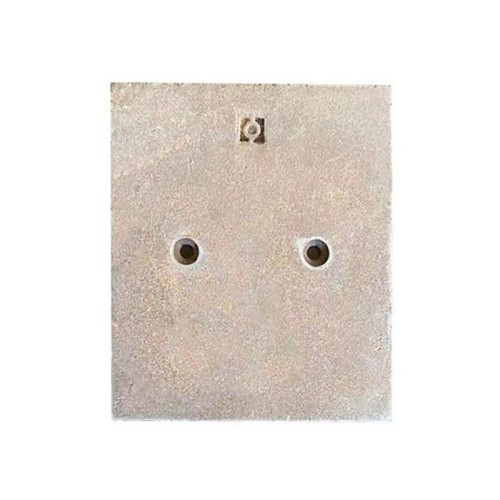
Ball Mill Liner Supplier for B2B Buyers
Liner failures mid-production cycle are not minor inconveniences; they're costly shutdowns that affect productivity and profitability. If you've had to accommodate liners that crack under impact, wear unevenly, or weren't built for your specific mill conditions, the search ends here.
As a dedicated ball mill liner supplier and manufacturer, Ningguo Ningwu Advanced Material Co., Ltd. brings decades of metallurgical expertise and an annual capacity of 10,000 tons to engineer liners that work as hard as the industries they serve.
Solid Build for Long Operational Hours
Most liner failures trace back to one root cause: the wrong material for the job. Our ball mill liners are cast from premium high manganese steel, engineered to work-harden under impact. That means the more stress it takes, the tougher the surface becomes.
The result is a liner with excellent wear and impact resistance that can help extend service life and reduce unplanned downtime in abrasive milling environments.
Less maintenance. More uptime. Exactly what your operation needs.
Custom Ball Mill Liner Solutions That Fit Your Industry
A cement plant has different demands than a copper mine. A chemical processing facility runs nothing like a construction machinery workshop. That's why off-the-shelf liners often underperform; they weren't made for your specific conditions.
As an experienced ball mill liner manufacturer, we engineer custom ball mill liner solutions tailored to the precise requirements of the building materials, chemical, mining, thermal power, and construction machinery sectors.
We work with your mill specifications, ore characteristics, and operational targets to design liners that fit your application.
More Efficient Grinding Starts With the Right Liner Profile
You might be losing grinding efficiency without even realizing it. Incorrect liner geometry can waste energy, create uneven media trajectories, and slow throughput.
Our liners are available in multiple profiles, including wave, stepped, shell, and other configurations, depending on your mill design and operating requirements. The right profile helps improve media movement, grinding contact, and grinding efficiency.
Ball Mill Liner Quality Control and Manufacturing
When you're sourcing critical wear components, a supplier's word isn't enough. Our ISO 9001-certified manufacturing process backs every liner with quality controls, from raw material selection and smelting through heat treatment, physical and chemical testing, to final inspection.
Our products meet or exceed GB/T 17445 national standards, giving procurement managers and plant engineers greater confidence in product quality and manufacturing consistency.
Why Source From Us?
Complex sourcing processes, unclear lead times, and unresponsive suppliers waste your team's time and delay projects. We've built our operations to make procurement straightforward. Here is what we offer:
· A team of technical and managerial professionals manages every step from design consultation to material selection.
· Wholesale discounts on bulk orders.
· Timely delivery to help keep your operation on schedule.
· Custom orders that match your grinding operation setup.
Whether you're placing a bulk order or piloting a custom solution, you get a single process that doesn't leave you chasing updates.
FAQs
How do I know your ball mill liner fits my mill?
Send us your mill specifications, including diameter, length, feed size, and ore type. You can also provide existing liner drawings and dimensions. We review these details to help determine the appropriate liner design for your mill.
What happens when a liner cracks before it should?
If a liner cracks earlier than expected under normal operating conditions, we can investigate the issue using material test reports and production records. Where a manufacturing-related fault is confirmed, we can discuss an appropriate resolution.
Can I order a small batch first to test?
Yes. You don't have to commit to container loads upfront. You can discuss a trial order, evaluate the liner under your operating conditions, measure the wear, and then decide on the full order. Testing a smaller quantity can help assess product suitability before a larger purchase.






 Categories
 Popular Product